

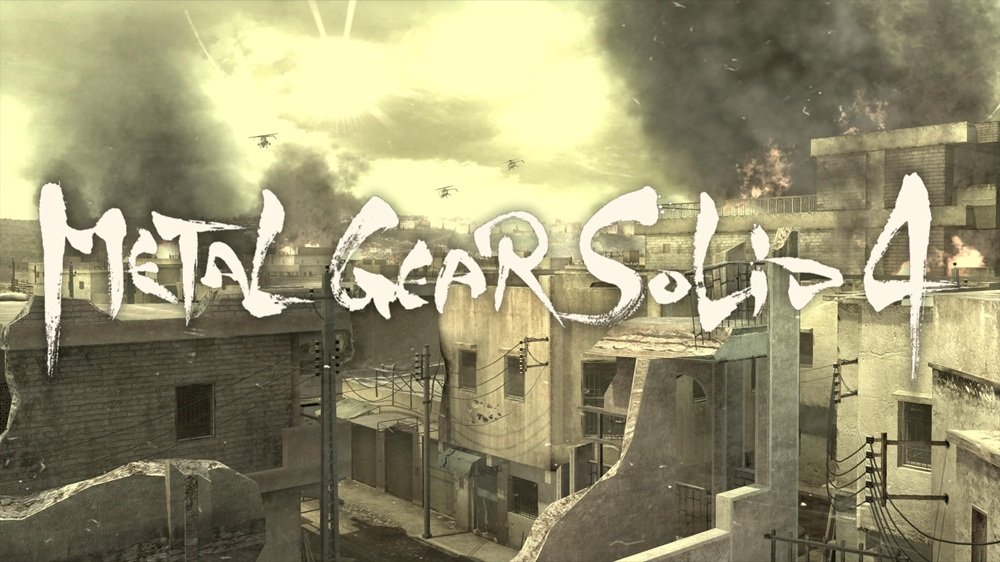
Metal Gear Solid Master Collection Vol 2 review
We have seen countless remasters for the Metal Gear Solid franchise dating back to the PlayStation 3 era. Starting back in 2011, we had the HD Collection, which featured Peace Walker, Metal Gear Solid 2, and 3. The majority of the titles made it through to different consoles except for one: Metal Gear Solid 4: Guns of the Patriots.
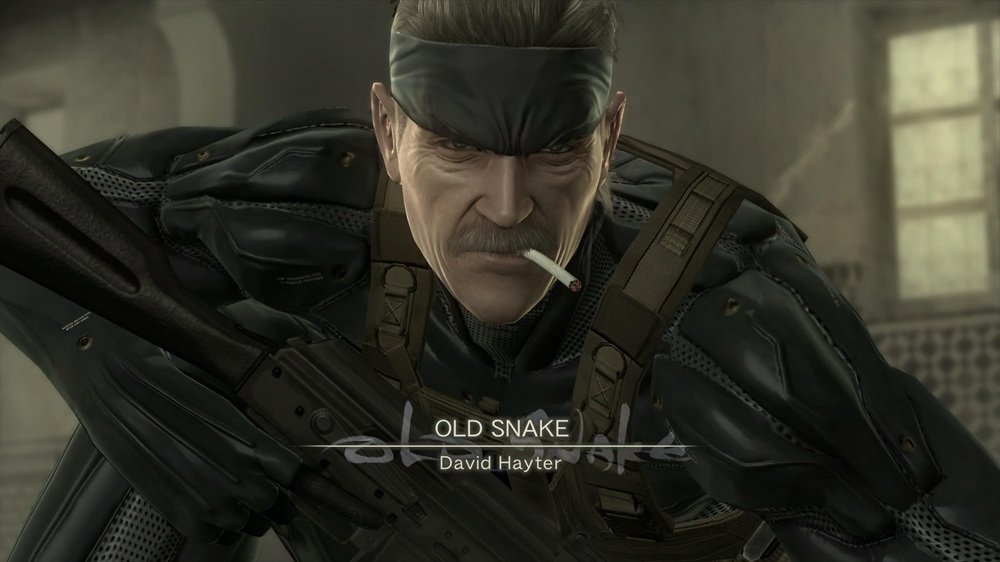
Unlike Master Collection Volume 1, which packed all the big hits into one set, Volume 2 feels more like an overdue release on modern platforms. Its standout entry, the sole Metal Gear game in the main series trapped in PlayStation 3 jail for 18 years is finally free. Fans have been begging for a port, and at last, it has broken out of its shackles in Master Collection Volume 2. When it first released back in 2008, it was met with mixed reviews, but players soon realised how well Metal Gear Solid 4 has aged and how much it deserves all the praise.
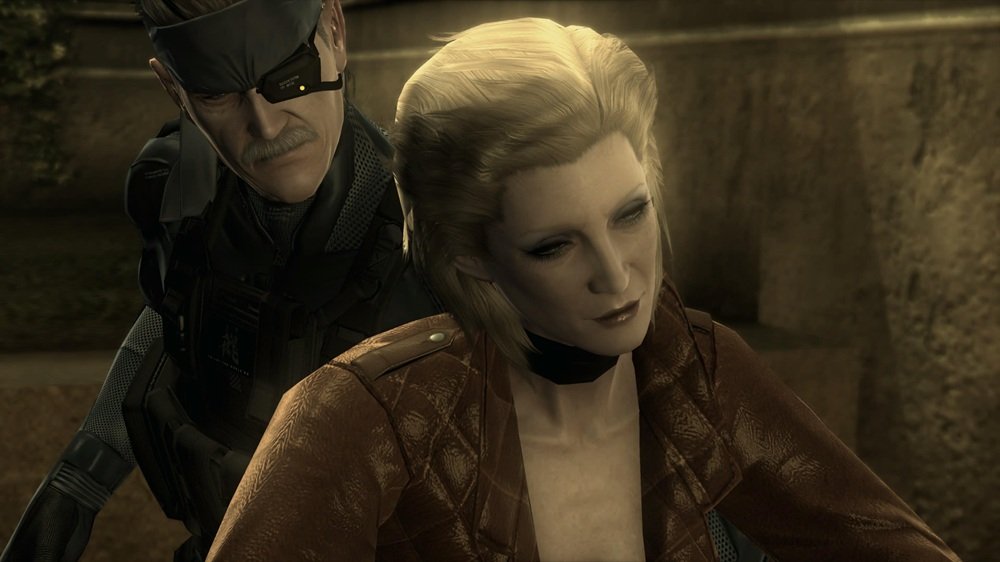
The entire Metal Gear Solid series has always been loved by fans. Blending stealth action with real-world historical events (and it’s scary how much of it has come true), it is mind-blowing how far ahead of its time the franchise was. Metal Gear Solid 4 holds the record for the longest uninterrupted cutscene sequence in gaming history during its climax and epilogue, sitting at 71 minutes. While players might find that overwhelming, the game deserves applause for such a remarkable commitment to storytelling.
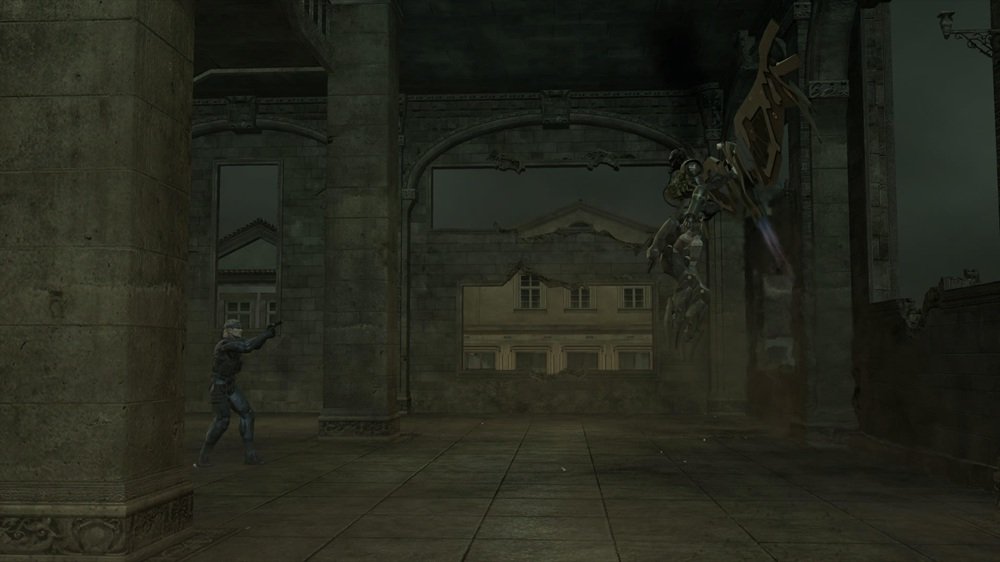
Gameplay-wise, the Metal Gear Solid 4: Guns of the Patriots remaster is just as good as the original. With updated HD textures and a few re-recorded dialogue lines (to align with modern hardware standards), it plays smooth as butter at a solid 60 FPS (no pun intended) on the PlayStation 5. Jumping back in for my third playthrough, it felt tough getting used to the controls at first, but after a couple of hours, muscle memory kicked in and I was playing like a veteran. Anyone who played the original Metal Gear Solid would jump at the chance to replay this, especially when Solid Snake revisits Shadow Moses after 9 years. The sheer wave of nostalgia hits hard, knowing how much time has passed while every corner of Shadow Moses still feels like yesterday. Though Solid Snake suffers from accelerated aging due to FOXDIE along with a host of health issues, he remains the soldier players know him to be: full of empathy, self-sacrifice, and a stoic mindset that carries him through his fight against Liquid Ocelot (half Liquid Snake, half Revolver Ocelot). The port fixes a lot of dated controller mappings and introduces customizable button layouts, catering well to all types of players. It is a game worth experiencing at least once in every gamer’s journey.
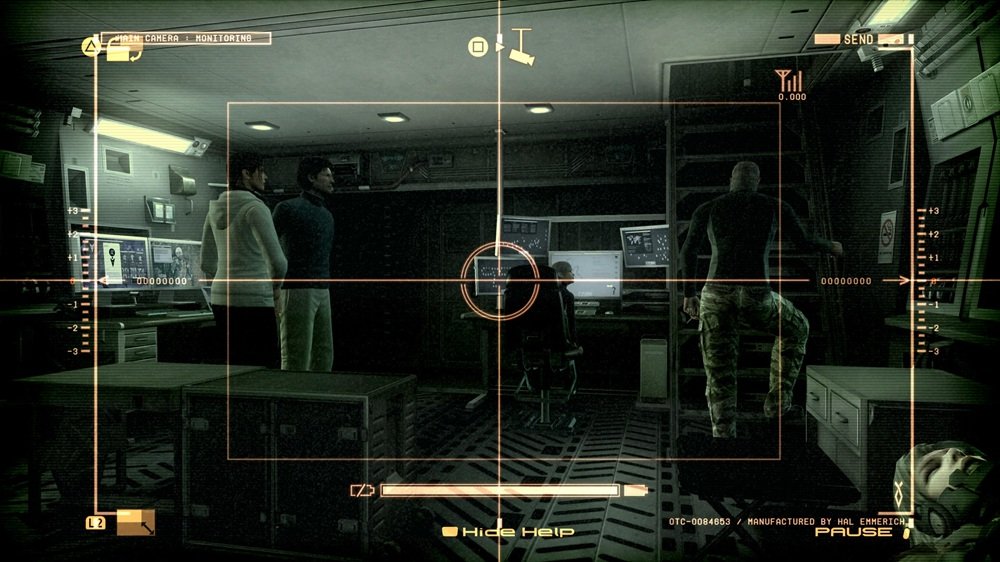
On top of that, Vol. 2 includes Metal Gear Solid: Peace Walker, originally released on the PlayStation Portable in 2010, as well as Metal Gear: Ghost Babel, a non-canon alternate sequel to the original MSX Metal Gear.
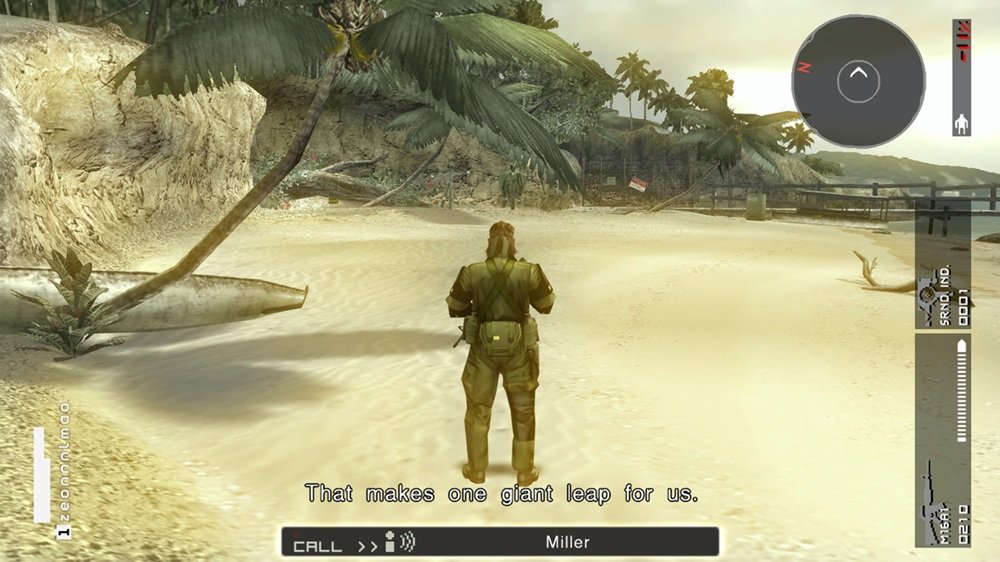
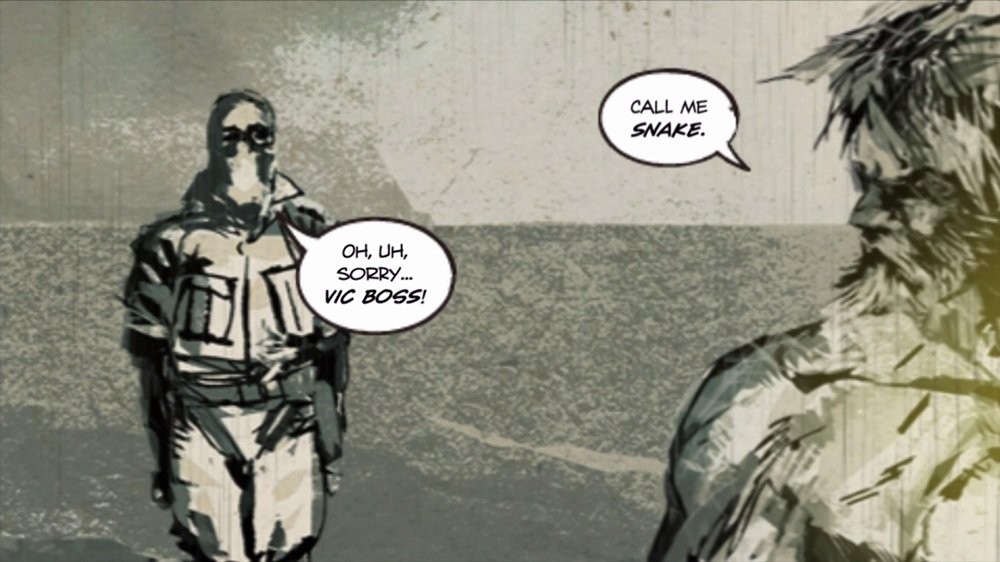
Metal Gear Solid: Peace Walker is a fantastic addition to this collection. Although it was made available on a few previous console generations, seeing Peace Walker running at a smooth 60 FPS with a higher resolution than the HD Collection version is a great touch. This was one of the early concepts where Hideo Kojima envisioned what a true modern Metal Gear game should be, leading to a shift in pacing and formula. Peace Walker features mission-based contracts for Big Boss to accomplish while building “Mother Base” for his new mercenary group, Militaires Sans Frontières (MSF). Kojima later perfected this recipe in Metal Gear Solid V: The Phantom Pain, creating the ultimate blend of semi-open-world design and mission-based gameplay. Granted, Peace Walker features a fair amount of repetitive missions and, dare I say, far too many machine enemies compared to any other entry in the series.
My main gripe with this title is the inconsistent mission difficulty: some feel like a walk in the park, only for you to suddenly face a boss fight with a massive health pool. Stealth also feels somewhat redundant when players can Fulton virtually every enemy they knock out straight back to Mother Base. Its saving grace is the narrative; although convoluted, it ties up several loose ends in the overarching story and makes the experience feel complete.
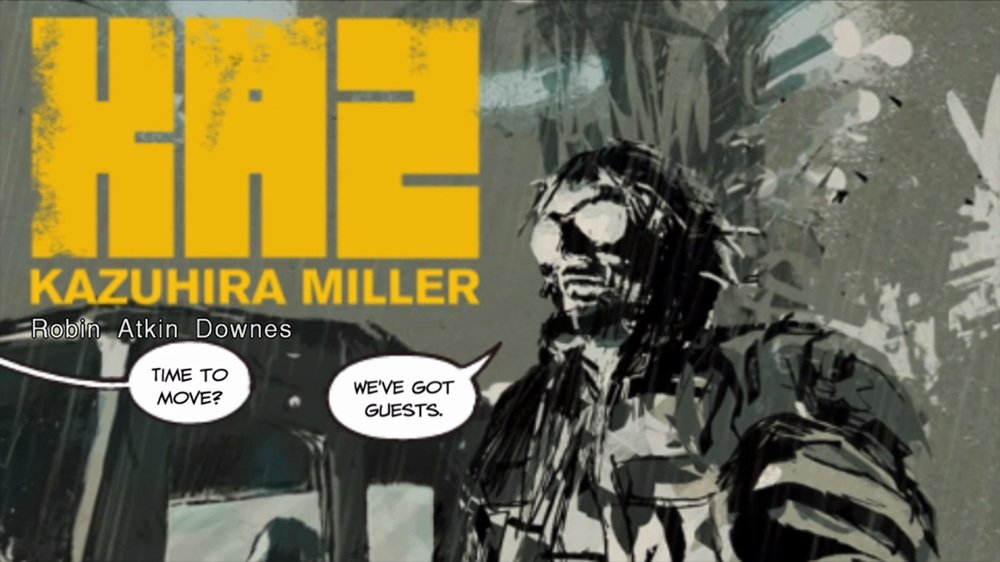
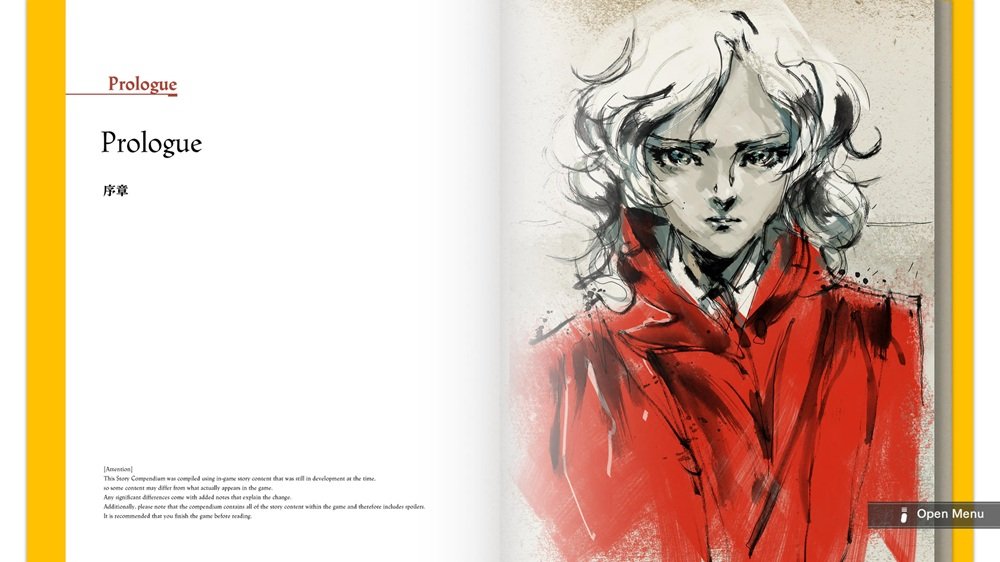
There are also official bonus digital soundtracks and archived materials for both games, including early concept sketches, script books, and never-before-seen assets that didn’t make it into the final releases. These offer some of the closest insights fans could ever get into the franchise.
All in all, Master Collection Volume 2 showcases two of the most prominent and pivotal entries in the Metal Gear Solid series across two distinct eras, one featuring Big Boss himself, and the other detailing the lowest point of Solid Snake’s life, serving as a solemn conclusion to his long suffering and declining health. This is, by far, the definitive way for newcomers to experience these titles for the first time or for long-time fans to relive some of the greatest moments in gaming history.
Thank you again to Konami for the review code. Metal Gear Solid: Master Collection Volume 2 is out now on all platforms.
