

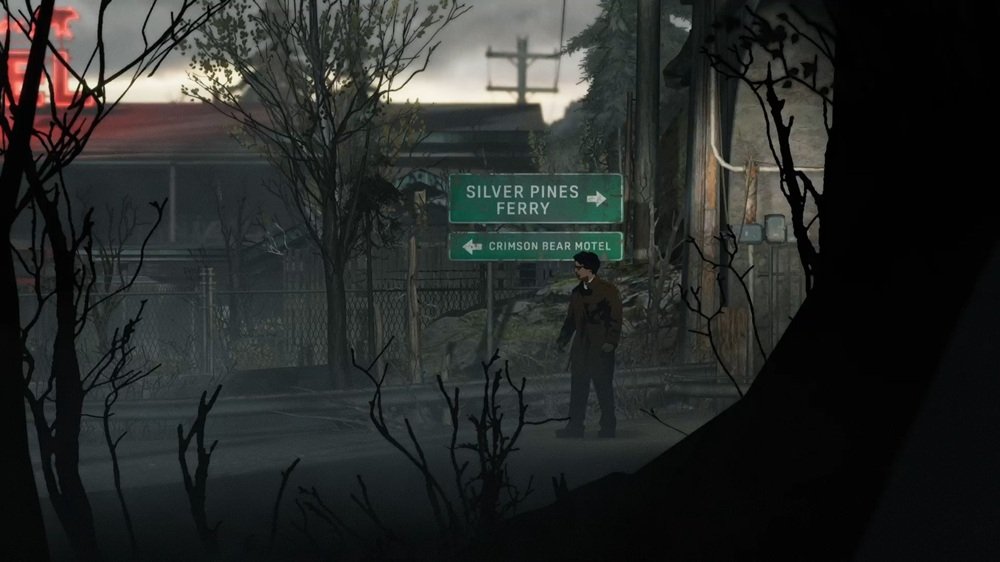
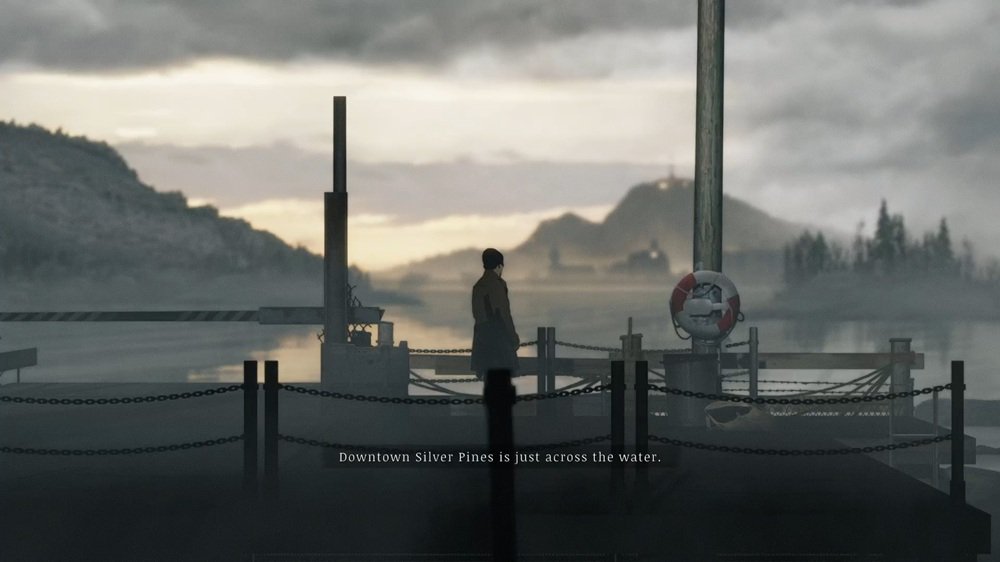
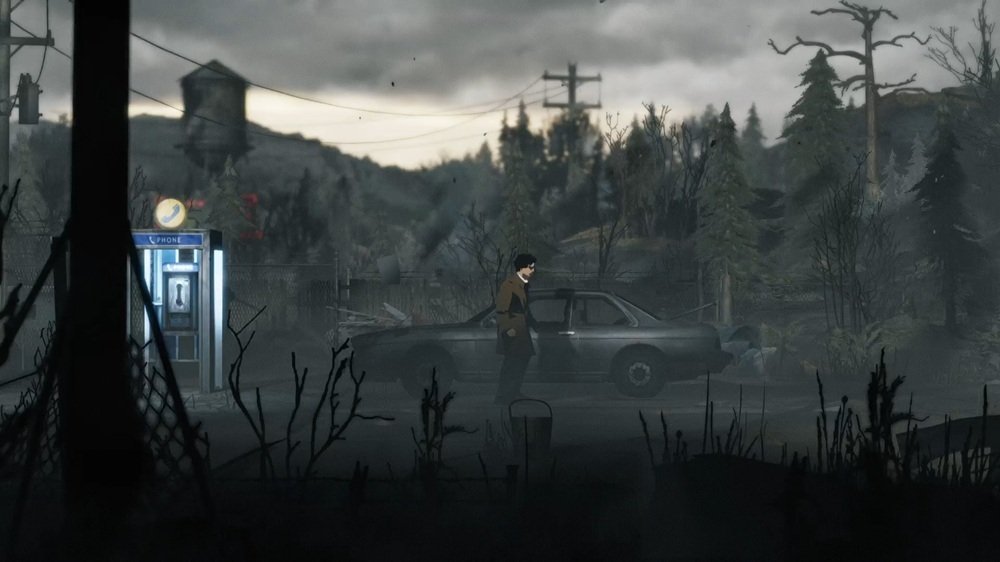
We can’t finish Spooktober without a splendid review of one of the most underrated horror games of 2026. Silver Pines draws inspiration from every homage you can imagine across three decades of horror games that innovated, influenced, and acted as a direct love letter to everything the genre has given players. Let’s start with what makes Silver Pines stand out from other horror games churned out in 2026. First off, the art style is just beautiful. Blending hand-drawn character art with 2.5 HD-2D elements in the background and foreground is stunning. Every part of Silver Pines is unsettling, with a slow-burn factor boiling to pounce on you at any time, yet I couldn’t stop wandering around to adore how beautifully each part of the town is crafted.
You play as Red Walker, a private investigator pursuing a musician named Eddie Velvet. The initial hours are just as confusing as you explore the town, scouring every corner to search for clues that lead to more clues, and it never stops. I was both confused and invested by how insistent the protagonist is to finish the mystery, but at the same time, the music and sound effects are so haunting that they spooked me quite a fair bit.
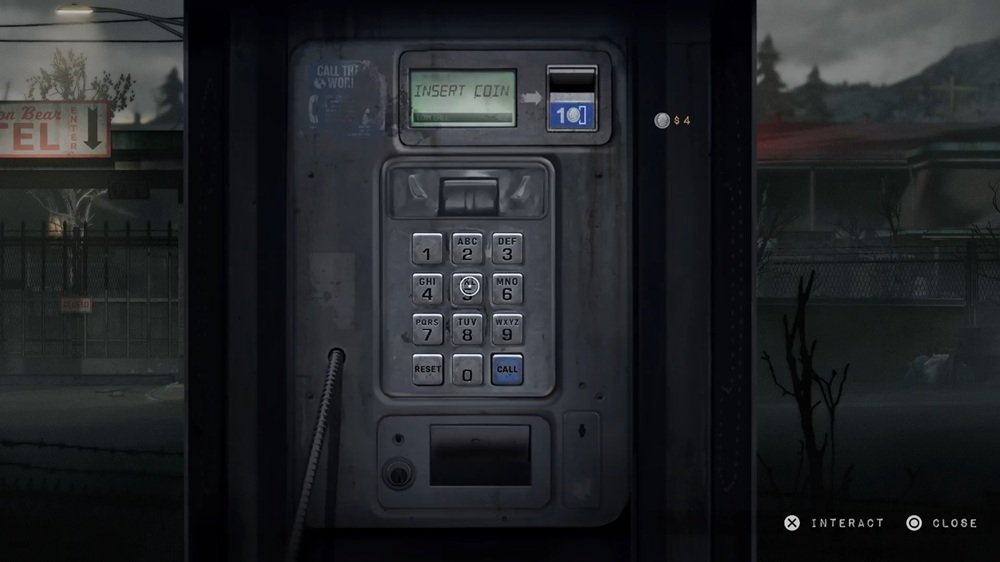
What caught me off guard the most was needing to spend $1 each time you save the game at a telephone booth. I kid you not, I was blown away by such a neat mechanic that makes Silver Pines shine even brighter. It is a straight-up homage to Resident Evil and its Ink Ribbon mechanic, where players have to write down their saves at a typewriter. That made me love Silver Pines even more.
Personally, I hate playing survival horror games, not because they’re bad, but because I’m a real scaredy-cat. Yet, another part of me loves the setting of Silver Pines so much that I powered through the first four hours of gameplay, constantly reminding myself that the “entity” chasing me is as useless as it looks. Having to retrace my footsteps back to previous rooms scared the shit out of me, but I knew deep down that there was more than meets the eye, and that I was just missing key items hindering my progress.
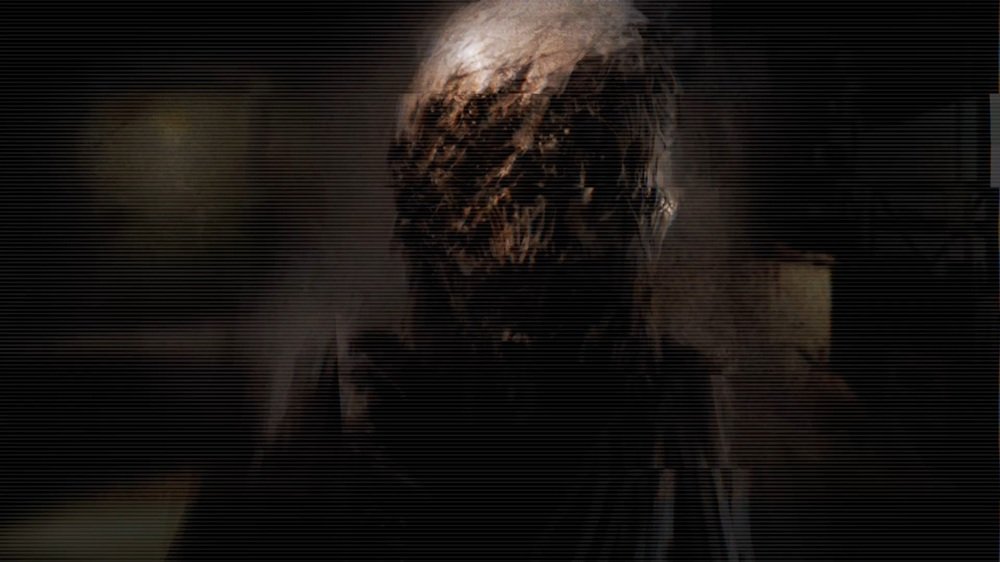
That is what makes traversing and exploring Silver Pines great: its coherent level design often leads to different paths and, occasionally, unlocks a shortcut back to where you started. At times, it felt like I was a real investigator in this bleak, unsettling town. That is the amount of love poured into every pixel of the game.
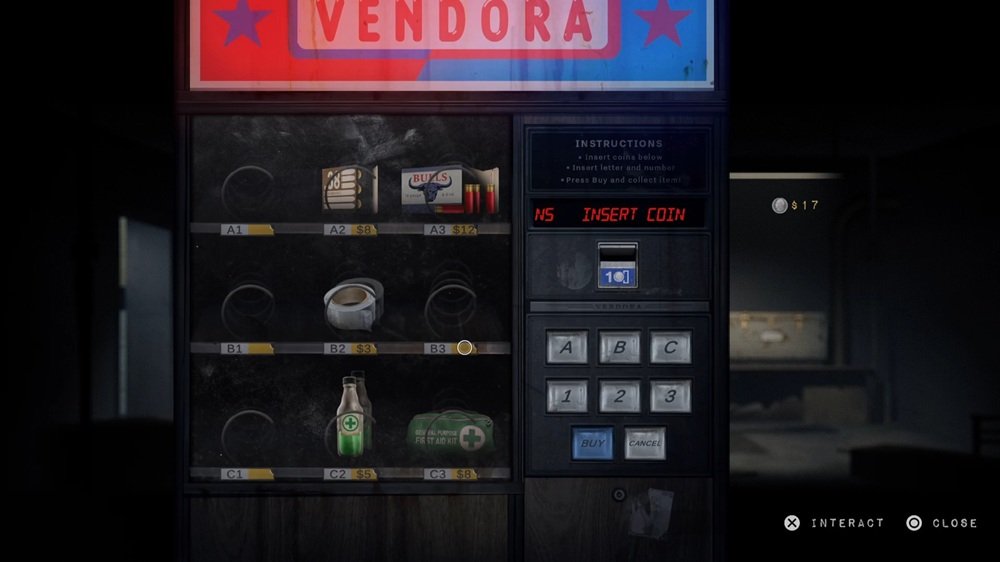
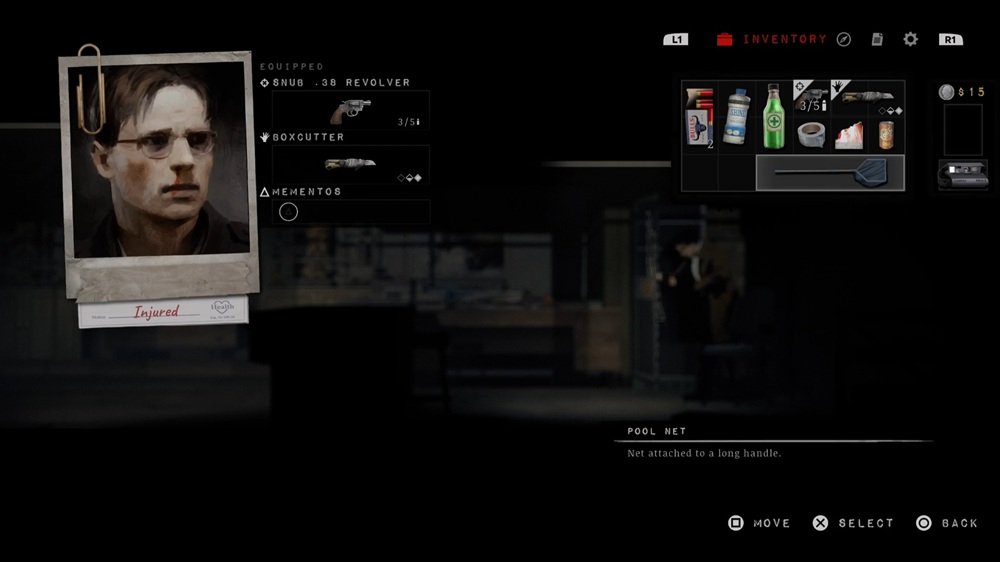
As I explored further, I realized the map kept expanding until I felt overwhelmed and needed to write down notes. That is where the camera comes into play: instead of using it to purge evil spirits (like the majority of horror games do when they introduce a camera mechanic), it actually serves as a tracker for the places you’ve visited. Silver Pines pays another homage to Resident Evil by introducing a weapon upgrade system, where players initially use a boxcutter, then a revolver, and eventually a shotgun later in the game. In fact, the game packs quite a handful of firearms and melee weapons, too.
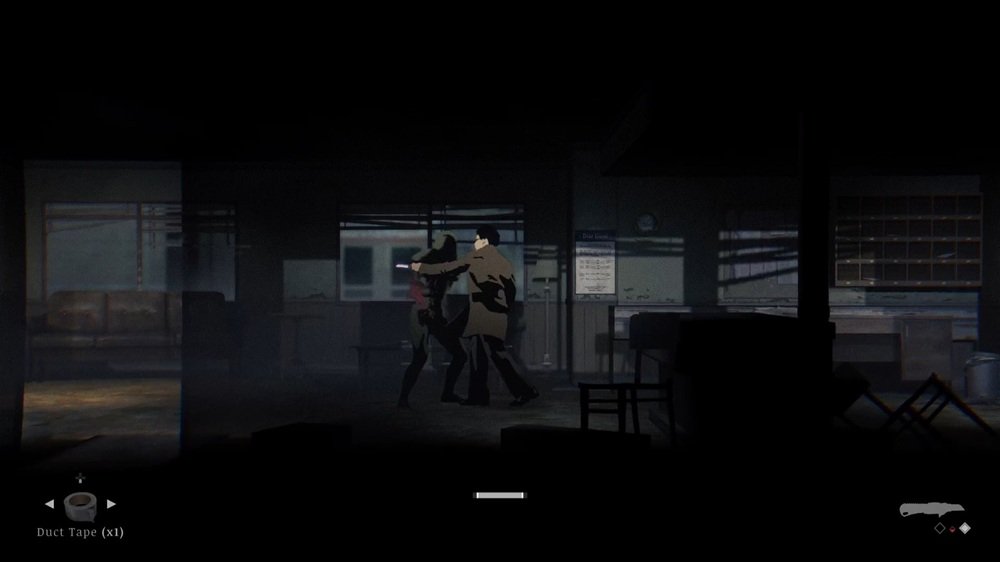
All of this doesn’t blend well with combat and enemies; it gave me an initial shock factor, but eventually, the repetitive combat and slow enemy types, paired with how long it takes to kill the creatures, can feel rather stagnant. However, the entire game structure and survival horror mechanics do the heavy lifting, making combat the least significant hurdle in the overall experience. The constantly uneasy, vulnerable feeling, on top of immaculate puzzle-solving game design, truly delivers as a complete package.
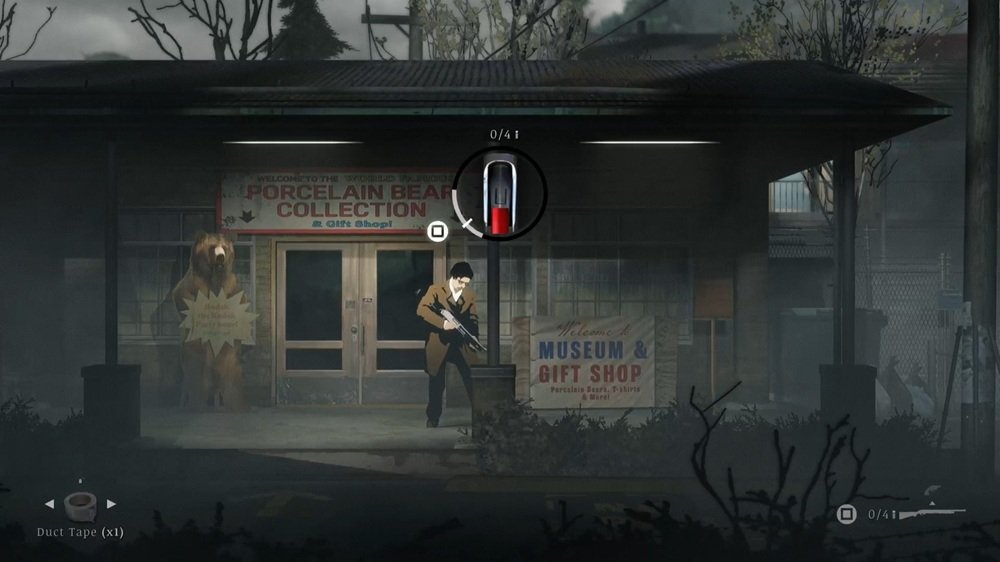
Overall, Silver Pines hooked me from the start and kept me invested throughout my entire playthrough. Rewarding players with exploration and satisfying puzzle-solving, with a ton of curiosity hiding and lingering in every crack of the town, definitely made me smile at how good an indie survival horror game can be. Kudos to Wych Elm Games.
The game is out now on every major platform.
